Roofing Problems
-
Top 7 Spring Roofing Problems
As the weather becomes warmer, you’ll likely get started spring cleaning to help your house endure the winter cold. Cold temperatures and winter debris could wear out this. Search for the regular spring roof issues and keep your home to keep it in great condition.
Getting a professional roofing team examine your roof provides the best protection. Such professionals have the experience and expertise to discover spring roof problems you may overlook. Keep in mind these 7 roofing problems to look for in spring while you clean and look after your home during the warmer weather.
1. Damage From Trapped Moisture
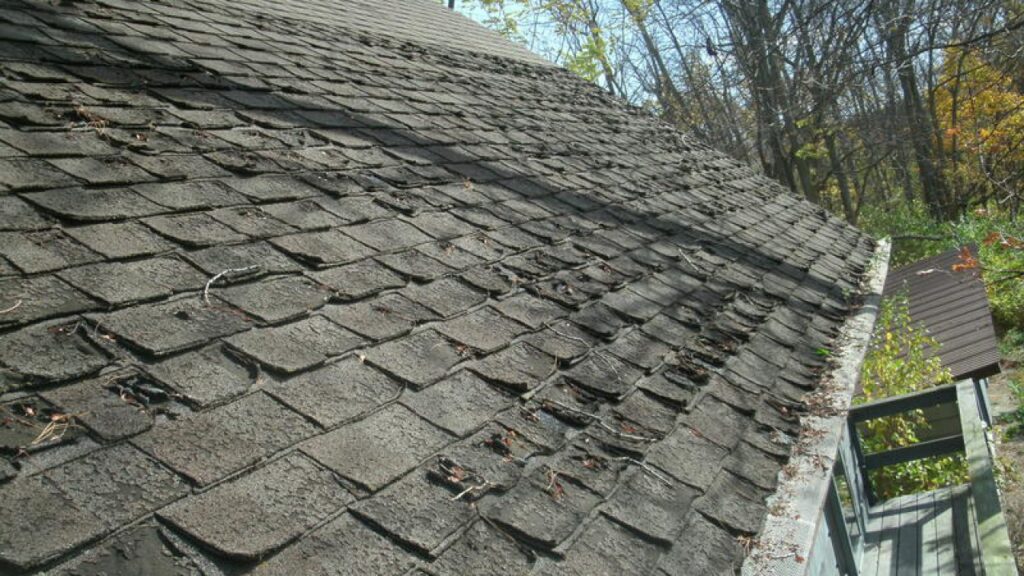
Water from intense snow and debris could get trapped within the roof. You’ll need to address trapped moisture as quickly as possible to avoid leaks in your home, particularly as the spring rainstorms begin. Old plants drop their leaves and needles during the fall and winter, and the wind brings these into your rooftop. This debris could get trapped in gutters and also on low-sloped roofs, holding moisture which can wear out your home.
2. Failed Membranes and Underlayment
The protective layers beneath your roof’s shingles could wear out and let water to leak over the gaps. A few of these components expand and contract while the temperature changes. Right after changing size for some time and coming in contact with moisture, the membranes and underlayment could deteriorate. Older membranes which may have encountered a few deterioration in the winter may build up cracks over the cold season which could aggravate during the spring as the weather becomes warmer plus the material expands. Delicate materials which expand and contract while the temperature changes could crack and warp, creating gaps.
3. Damaged, Loose or Missing Shingles

Shingles could warp or split in the sides whenever subjected to freezing temperatures. Although most roof shingle materials are sturdy towards weather damage, older materials could degrade after continuous exposure to the weather. Getting your roof installed by an inexperienced service provider could also reduce its life, leading to damaged, loose or missing shingles. Missing, loose or damaged shingles can bring in water, dirt and pests into your house. Leaks can promote mold growth and wood decay all over the building materials, and pests bring illness and induce architectural damage to your home.
.4. Pest Infestations
When the weather becomes warmer, animals and insects emerge from hibernation to find food and shelter to get ready during the spring season. Architectural damage to your roof permits pests into your home and lets them stay into your attic or crawl space. While you examine your roof, watch out for loose shingles, broken flashing or worn-out chimneys which create gaps in which rodents and insects could sneak inside. Pests damage your roof, chimney and eaves because they try to create a nest in your property and increase in numbers. Rodents like squirrels, mice and raccoons may damage the electrical wiring and also ventilation systems.
5. Active Leaks
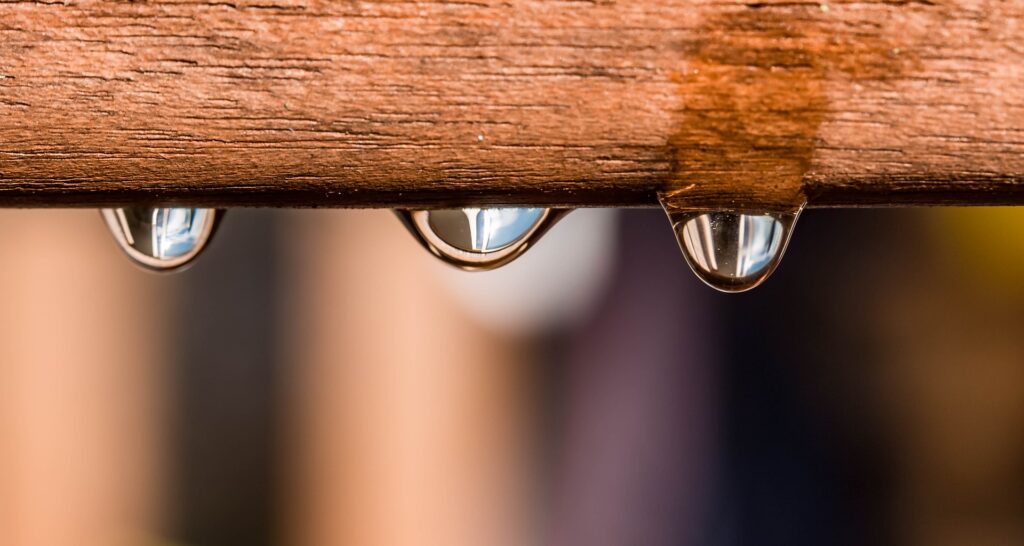
Harsh climate conditions in winter may damage your roofing and cause gaps in between the components. The moment the weather becomes warmer and the snow begins to melt, you might discover that the cracks and damage in your roof led to leaks inside your home. No matter whether it’s because of hail or strong winds, begin by examining signs of weather-related destruction. Leaving these unaddressed places your roof prone to leaks and could accelerate the wear and tear of the roof against the weather.
6. Clogged and Damaged Gutters
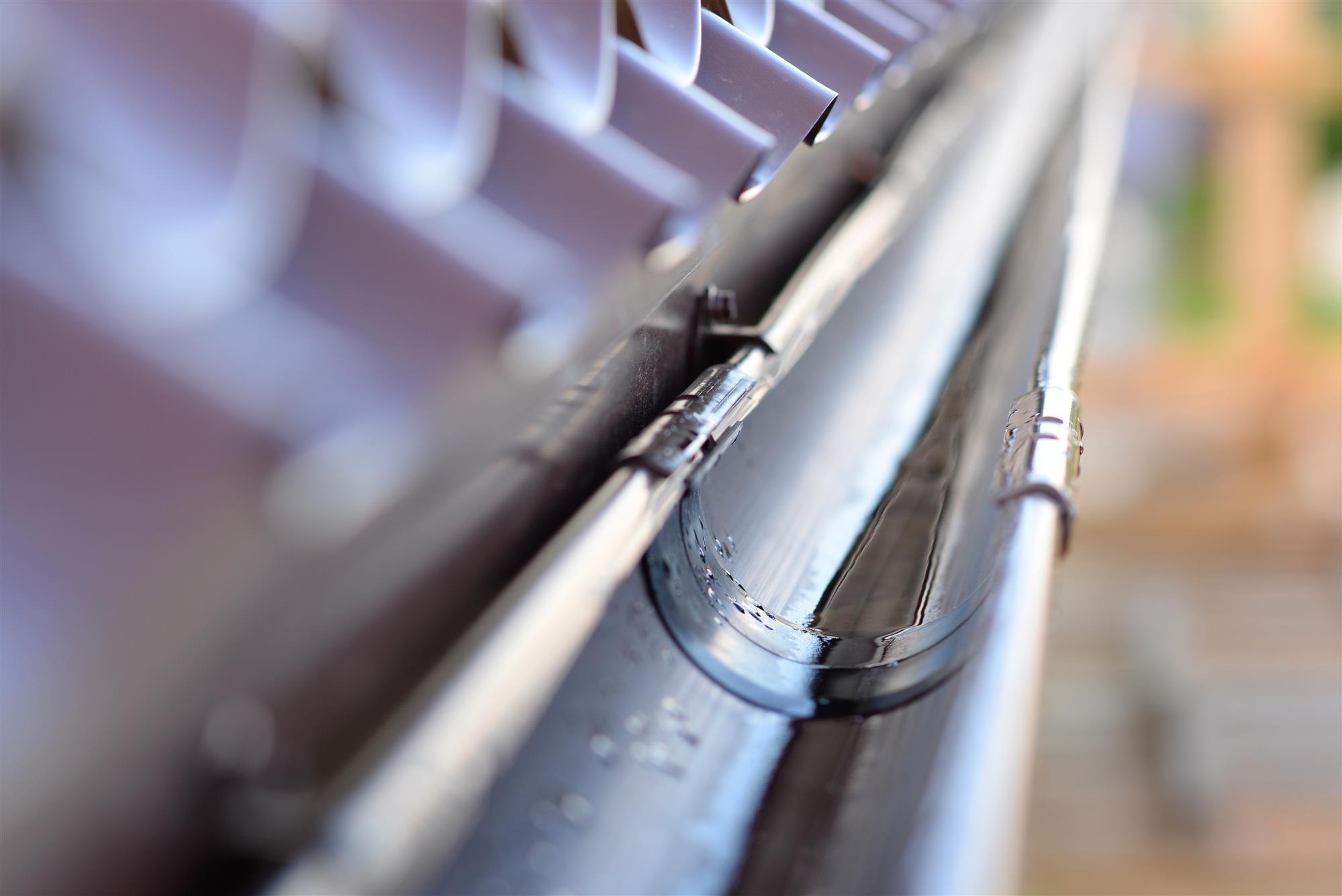
Gutters drain water off from your home during rainstorms to keep your home in good condition. Leaves and debris coming from the fall and winter could clog up the gutters and give more pressure to them. Wind and temperature shifts could also pull them away out of your home and leave them susceptible to damage. While you perform your spring cleaning, you might find that debris has rusted your gutters or made them to sag. Clogged gutters lessen your home’s curb appeal and place excessive weight on the roof side.
7. Chimney Deterioration

In case your home includes a fireplace, your chimney sticks from your rooftop and takes away smoke from the house. Older homes often create cracks all around their chimneys after contact with the elements. Whenever snow forms on the top, it melts when the temperature goes up in the spring. While water seeps to the cracks and the temperature falls in the evening, water will expand and crack the chimney’s stones and mortar. A dormant chimney also can bring pests into your house while they find shelter from the cold.