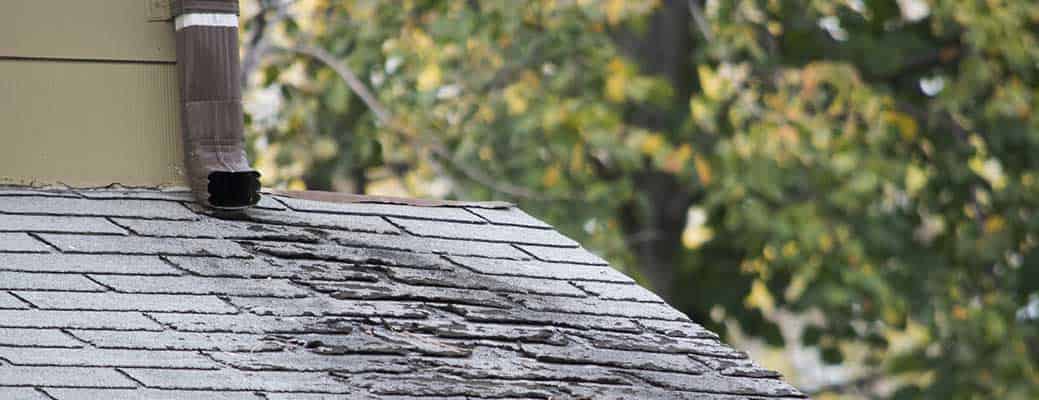
Signs Your Roof Needs Repair
A roof rarely fails all at once. Most of the time, it gives you small warnings first. A tile shifts after heavy wind. A gutter starts overflowing in one corner. A damp mark appears on the ceiling and seems to dry up again before anyone has time to deal with it.
Those early signs matter. Fixing a roof problem while it is still small is almost always easier than waiting until water has worked its way into the timber, ceiling boards, insulation, or walls. Here are the signs worth paying attention to before a minor repair turns into a much bigger job.
Loose, Cracked, or Missing Tiles
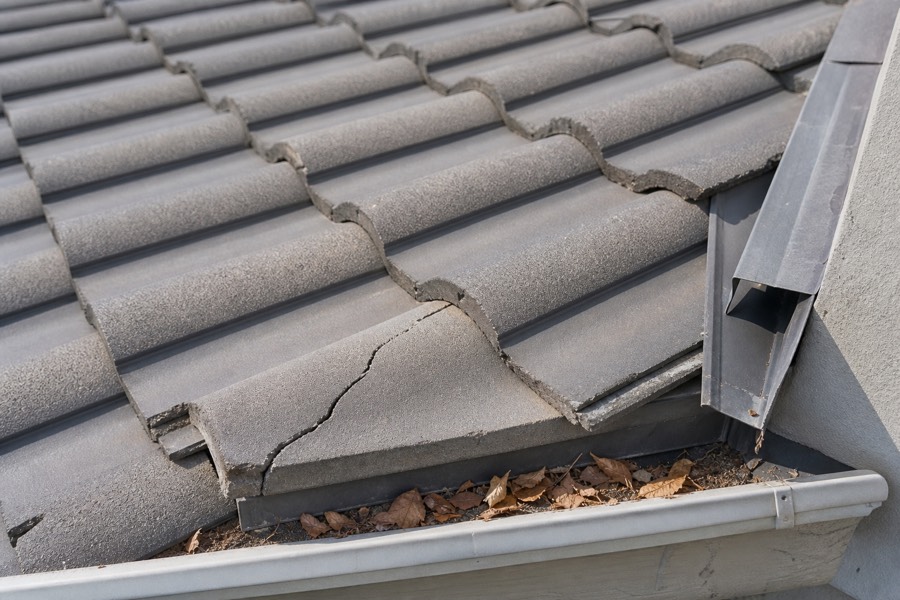
Tiles are there to move water off the roof quickly. Once one is cracked, loose, or missing, water can get underneath and start causing trouble in places you cannot see from the ground. One damaged tile may look harmless, but it can expose underlay, battens, and timber to rain.
After strong wind or a heavy storm, look at the roof from a safe position on the ground. If one section looks uneven, or you can see a gap where a tile should be, it is worth getting it checked. Do not climb onto the roof unless you have the right equipment and experience.
Damp Marks on Ceilings or Walls
A stain on the ceiling is one of the clearest signs that water is finding a way in. It may show as a brown ring, peeling paint, bubbling plaster, or a patch that feels slightly damp after rain. Sometimes the leak is not directly above the mark, because water can travel along beams or wiring before it appears indoors.
If the mark appears once and then dries, do not ignore it. Roof leaks often come and go depending on wind direction, rainfall, and how full the gutters are. A small leak can still do slow damage every time the weather turns.
Blocked or Overflowing Gutters
Gutters do more than keep rainwater away from the entrance. They protect fascia boards, walls, foundations, and the roof edge. When gutters are blocked with leaves, broken tile pieces, or dirt, water can back up under the roof covering or spill down the wall.
Overflowing gutters are easy to spot during rain. You may see water pouring over one section, dripping behind the gutter, or collecting near the base of the wall. Cleaning the gutter may solve the problem, but if the same area keeps overflowing, the fall of the gutter or the roof edge may need attention.
Damaged Flashing Around Roof Joints
Flashing is used around chimneys, valleys, walls, skylights, and other joints where water needs extra guidance. When flashing lifts, cracks, rusts, or pulls away from the surface, water can slip into the roof even if the tiles around it still look fine.
This is one of those repairs that is best handled early. Once water gets behind flashing, it can affect plaster, timber, and insulation before the leak becomes obvious inside the home.

A Roof That Looks Tired in One Area
Not every roof problem starts with a leak. Sometimes one section simply looks worse than the rest. You might notice sagging, uneven tiles, dark patches, moss buildup, or worn areas where water sits longer than it should.
It helps to compare one side of the roof with another. If only one section is showing wear, the cause may be shade, poor drainage, blocked gutters, or old repairs that were never finished properly.
When to Call a Roofer
If you can see missing tiles, water marks, damaged flashing, or regular gutter overflow, it is sensible to arrange an inspection. A roofer can check the visible problem and the hidden areas around it, then tell you whether a small repair is enough or whether the roof needs more serious work.
The best time to deal with roof damage is before the next storm. A quick repair today can save ceilings, walls, and cupboards from water damage later. If something looks different on your roof, trust that instinct and have it checked properly.

You May Also Like